
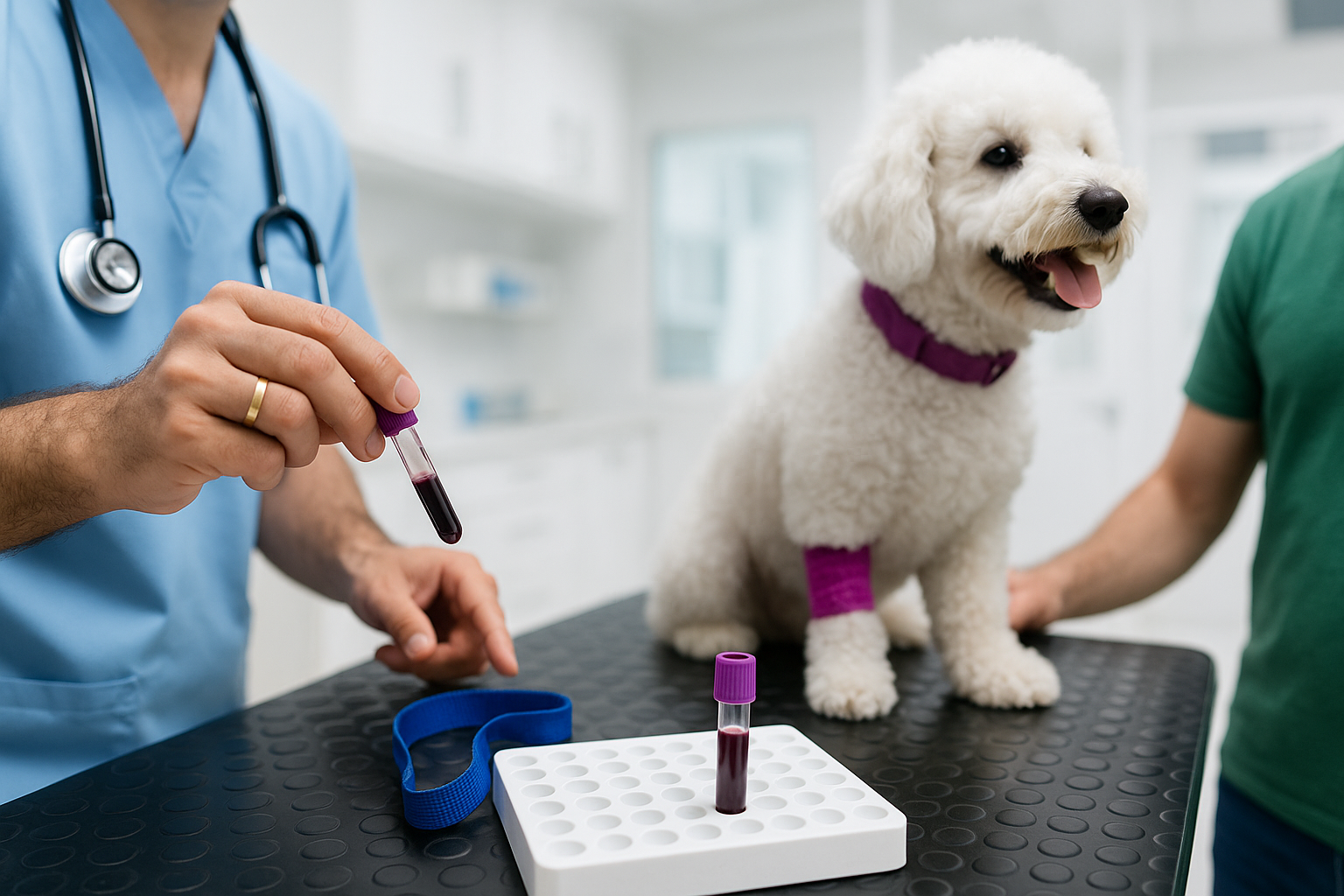
Complex Dermatology Mastery: Evidence-Based Approaches to Resistant Cases
Dermatological conditions represent some of the most challenging and rewarding cases in veterinary practice. When standard protocols fail, strategic clinical thinking becomes essential for achieving diagnostic and therapeutic success. This comprehensive guide explores advanced approaches to resistant dermatology cases based on current research and clinical expertise.
The Diagnostic Foundation: Cytology as Your North Star
Before implementing any treatment protocol, proper diagnostic workup remains paramount. Cytology should be performed in every suspected infectious case — this simple principle prevents countless treatment failures and antibiotic misuse.
Advanced Cytology Techniques
Tape Cytology emerges as the most effective method for detecting Malassezia organisms. Research demonstrates tape cytology consistently outperforms traditional impression smears, particularly in dry, crusted lesions where standard techniques fail.
The Five-Method Approach:
- Impression smears — ideal for moist, exudative lesions
- Tape cytology — superior for dry lesions and Malassezia detection
- Scrape and smear — effective for thickened, lichenified areas
- Cotton tip applicators — essential for facial folds and difficult-to-reach areas
- Slurry technique — emerging method for heavily crusted lesions
Advanced Dermatology CE for Complex Cases
Master Evidence-Based Dermatology with VetOnIt CE Access comprehensive RACE-approved training on diagnostic techniques, antimicrobial stewardship, and advanced treatment protocols for challenging dermatology cases.
Canine Atopic Dermatitis: Beyond Standard Protocols
Age and Seasonality as Diagnostic Clues
Classic presentation pattern: 1-3 years of age onset with distinct seasonality. However, recent studies indicate that environmental allergies can progress from seasonal to non-seasonal over time, reflecting increasing allergen exposure and disease progression.
Breed-Specific Lesion Distribution Patterns
German Shepherds: 80-100% abdominal involvement
French Bulldogs: Pronounced axillary and pedal lesions
Shar Peis: Generalized distribution with unique fold involvement
Understanding these patterns enhances diagnostic confidence and client communication regarding breed predispositions.
Treatment Hierarchy for Optimal Outcomes
Mild Cases (Pruritus Score 3-4/10):
- Barrier restoration products (Douxo Restore, Dechra Rodeo Ultra)
- Strategic fatty acid supplementation — expect 2-point improvement
- Seasonal antihistamines (cetirizine 1mg/kg daily)
Moderate Cases (Pruritus Score 5-7/10): The 2015 International Committee guidelines emphasize individualized, multimodal approaches over single-drug protocols.
Evidence-Based Options:
- Oclacitinib — rapid onset but requires B.I.D. for 14 days, then S.I.D.
- Lokivetmab (Cytopoint) — 4-8 week efficacy with excellent safety profile
- Zenrelia — new JAK inhibitor with once-daily dosing, no rebound effect
- Cyclosporine — best for concurrent otitis cases requiring anti-inflammatory effects
Feline Pruritus: Unique Diagnostic Challenges
Distribution Patterns and Differential Diagnosis
Feline allergies present identical distribution patterns regardless of etiology — face, neck, and abdomen predominate for both food and environmental allergies. Tail base involvement suggests flea allergies in 50% of cases according to recent mapping studies.
Psychogenic Overgrooming vs. Allergic Disease
Trichogram remains essential for differentiation. In true psychogenic cases, hairs resist removal due to absence of follicular inflammation. Broken hair tips indicate traumatic removal through excessive grooming behavior.
Key Diagnostic Features:
- Location: Ventral abdomen most common (easily accessible for grooming)
- History: Rule out allergies completely before psychogenic diagnosis
- Trichogram findings: Difficult hair removal = psychogenic; easy removal + broken tips = inflammatory
Resistant Otitis Externa: Advanced Management Strategies
Understanding Treatment Failures
Common Mistakes in Ear Treatment:
- Insufficient volume — Yorkshire Terrier vs. Pitbull require dramatically different medication volumes
- Inappropriate product selection — fluoroquinolone-based products (Claro, Osurnia) target Staphylococcus, not rod bacteria
- Inadequate owner compliance — compliance studies show 80% non-compliance with multi-drop protocols
Volume-Based Dosing Protocol
German CT studies demonstrate medium-breed dogs require 1.6ml to coat entire ear canal adequately. Traditional “3-5 drops” proves inadequate for most patients.
Evidence-Based Volumes:
- Toy breeds: 0.25-0.5ml
- Medium breeds: 0.75-1.0ml
- Large/giant breeds: 1.5-2.0ml
Ceruminoliths and Deep Ear Flushing
When topical therapy fails, European studies demonstrate that 91% of non-responsive cases harbor impacted ceruminous debris. Deep ear flushing under anesthesia often provides definitive resolution.
Pyoderma and Antimicrobial Stewardship
Updated Treatment Guidelines (2026)
The International Guidelines for Canine Superficial Bacterial Folliculitis underwent significant revision, emphasizing topical-first approaches.
First-Line Therapy: Topical antiseptics (chlorhexidine, sodium hypochlorite) Second-Line: Empirical systemic antibiotics (clindamycin, cephalexin, amoxicillin-clavulanate) Reserve Tier: Rifampin, aminoglycosides, chloramphenicol
Methicillin Resistance Interpretation
Critical Knowledge: 40-80% of Staphylococcus isolates now carry mecA resistance genes. Traditional culture interpretation requires understanding of clindamycin inducible resistance — when clindamycin shows susceptible but erythromycin shows resistant, clindamycin will fail clinically.
Topical Therapy Efficacy
Comparative studies demonstrate equivalent efficacy between topical chlorhexidine protocols and systemic amoxicillin-clavulanate for superficial pyoderma, with significantly reduced adverse effects and antimicrobial resistance pressure.
Master Antimicrobial Stewardship in Dermatology
Access Advanced CE on Responsible Antimicrobial Use Learn evidence-based protocols for topical therapy, culture interpretation, and responsible antibiotic stewardship through VetOnIt’s RACE-approved continuing education programs.
Advanced Therapeutic Modalities
LED Light Therapy (Phovia)
Mechanism: Photodynamic therapy using chromophore-enhanced red light penetration to the panniculus level. Clinical applications include deep pyoderma, non-healing wounds, and antibiotic-resistant infections.
Treatment Protocol:
- Twice weekly in-clinic sessions
- Combination with antimicrobial therapy reduces treatment time from 10 weeks to 4 weeks
- Effective regardless of antibiotic resistance patterns
Long-Acting Topical Formulations
Water-Based Gel Technology:
- Claro/Simplicef: Single application, 30-day efficacy
- Osurnia: Dual application (days 1 and 7), 45-day efficacy
- Eotic: Five daily applications, 15-day efficacy
These formulations eliminate compliance concerns and provide consistent therapeutic levels throughout treatment duration.
Client Communication and Compliance Strategies
Managing Caregiver Burden
Recent research identifies treatment complexity as the primary factor influencing client satisfaction and compliance. Simplified protocols improve outcomes more than multiple concurrent therapies.
Evidence-Based Recommendations:
- Prioritize single, effective treatments over complex multimodal approaches initially
- Weekly bathing + twice-weekly mousse provides equivalent efficacy to daily protocols
- Client education about realistic expectations (pruritus score 2/10 = controlled disease)
Addressing Underlying Disease
Critical Principle: Recurrent infections every 2-3 months indicate treatment failure of underlying allergic disease. Current allergy medications require reassessment and modification rather than repeated antibiotic courses.
Clinical Pearls for Complex Cases
- Culture Indications: <50% lesion reduction after 2 weeks empirical therapy
- Resistance Interpretation: Focus on heavy bacterial growth, not every organism cultured
- Topical Concentration Advantage: 5,000x higher drug levels vs. systemic therapy
- Environmental Modification: Swimming cessation essential during ear infection treatment
- Long-Term Success: Address underlying allergic disease to prevent antibiotic resistance development
For comprehensive resources on dermatology diagnostics and treatment protocols, bookmark the American College of Veterinary Dermatology continuing education library and evidence-based treatment guidelines.
Mastering complex dermatology cases requires systematic diagnostic approaches, evidence-based treatment selection, and comprehensive client communication. By implementing these advanced strategies, practitioners can achieve superior outcomes while promoting responsible antimicrobial stewardship.