
Neurological Emergencies in Veterinary Practice: Clinical Assessment Insights
Neurological emergencies represent some of the most challenging cases veterinarians encounter in clinical practice. These conditions require rapid assessment and informed decision-making. Recent clinical insights from veterinary neurology experts provide valuable guidance for managing these critical cases.
Understanding Neurological Assessment Priorities
When faced with a neurological emergency, systematic assessment becomes crucial for determining appropriate treatment protocols. The initial evaluation must focus on identifying immediately life-threatening conditions while gathering information to guide long-term management decisions.
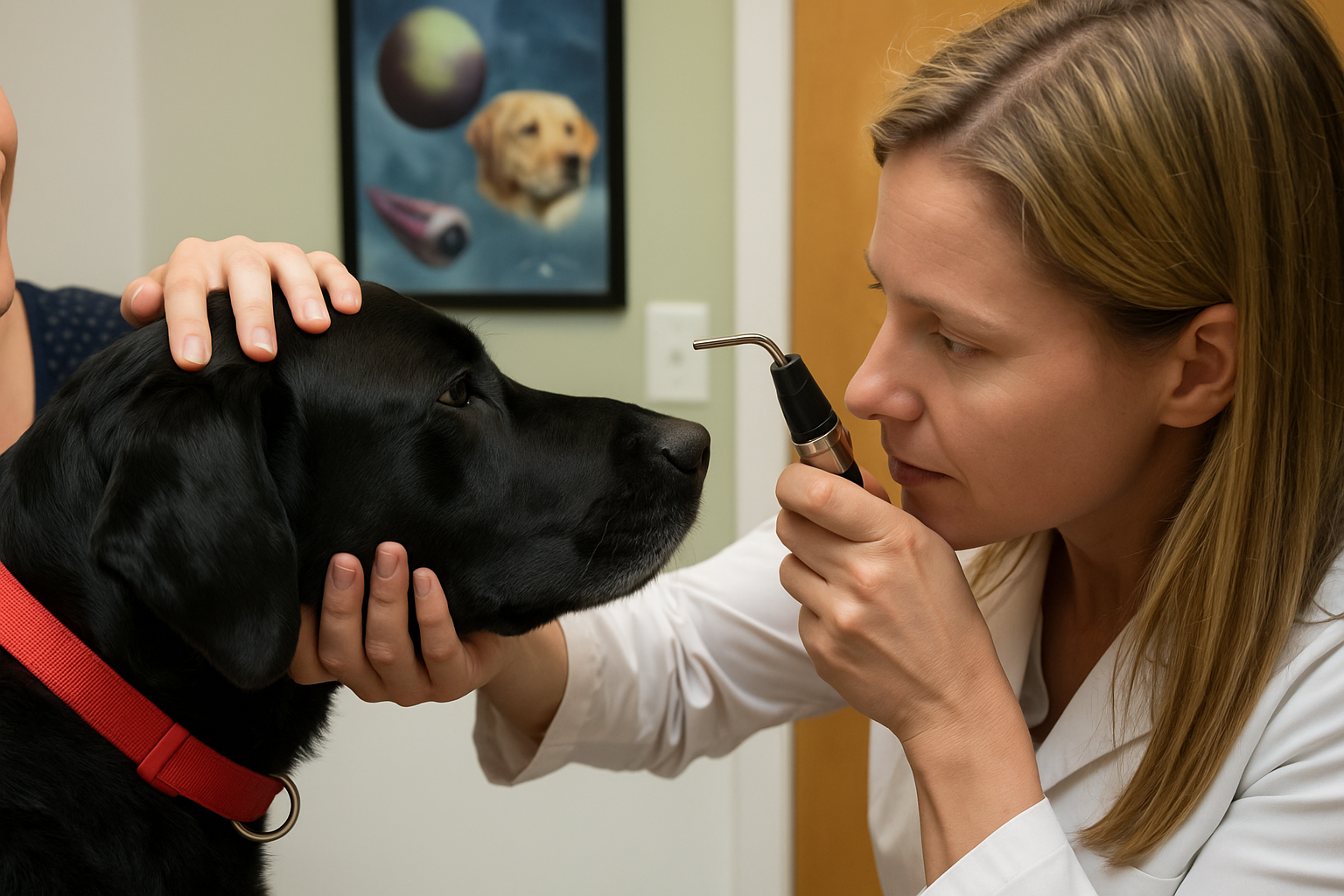
Neurological examination techniques require specific attention to pupillary responses, cranial nerve function, and motor coordination. These assessments provide critical information about the location and severity of neurological dysfunction, helping clinicians prioritize treatment approaches.
Expert veterinarians emphasize the importance of thorough history-taking in neurological cases. The timeline of symptom onset, progression patterns, and associated clinical signs often provide more diagnostic value than initial physical examination findings alone.
Seizure Management and Emergency Protocols
Seizure disorders represent a significant portion of veterinary neurological emergencies and are associated with high morbidity and mortality. Clinical experience demonstrates that successful management depends on understanding both acute treatment protocols and long-term seizure control strategies.
During active seizure episodes, maintaining patient safety while monitoring seizure duration takes priority over diagnostic procedures. Prolonged seizures lasting more than five minutes require immediate intervention to prevent permanent neurological damage.
Temperature regulation becomes critical during extended seizure activity. Hyperthermia develops rapidly during continuous muscle activity, and aggressive cooling measures may be necessary to prevent secondary complications that could worsen neurological outcomes.
Medication Protocols and Treatment Considerations
Emergency seizure management typically involves benzodiazepine administration as first-line treatment, with the ACVIM consensus supporting early, rapid, and stage-based treatment approaches. Clinical experience shows that treatment protocols must be individualized based on patient size, seizure severity, and concurrent medical conditions.
Practitioners report that diazepam remains effective for most emergency seizure control, though some patients require alternative medications or combination therapy. The choice between intravenous, rectal, or intranasal administration routes often depends on venous access and patient cooperation.
Long-term seizure management requires careful consideration of medication selection, dosing protocols, and monitoring requirements. Clinical experience suggests that successful outcomes depend more on consistent medication administration and regular monitoring than on specific drug choices.
Neurological Complications in Systemic Disease
Many neurological emergencies occur secondary to systemic conditions rather than primary brain disorders. Metabolic disturbances, toxin exposure, and cardiovascular complications can all manifest with neurological signs requiring emergency intervention.
Hypoglycemia represents one of the most common metabolic causes of neurological emergencies in veterinary patients, with clinical signs including unconsciousness, disorientation, seizures, and weakness. Rapid recognition and treatment with glucose supplementation often results in dramatic clinical improvement, highlighting the importance of basic metabolic screening in neurological cases.
Cardiovascular disorders can present with neurological signs, particularly in cases where cerebral perfusion becomes compromised. Addressing underlying cardiac conditions often improves neurological symptoms more effectively than neurological treatments alone.
Diagnostic Approaches and Clinical Decision-Making
Emergency neurological cases often require immediate treatment decisions before complete diagnostic workups can be performed. Clinical judgment becomes essential for determining which diagnostic procedures are necessary for immediate care versus those that can be delayed until patient stabilization.
Basic neurological localization techniques, including assessment of cranial nerves and pupillary light reflexes, help practitioners focus diagnostic efforts on the most likely anatomical locations of dysfunction. This approach allows for more efficient resource utilization while ensuring that critical conditions are not overlooked.
Advanced diagnostic procedures such as MRI or CT scanning provide valuable information but may not be immediately accessible in emergency situations. Clinical assessment skills become crucial for determining when emergency referral is necessary versus when cases can be managed with available resources.
Prognosis and Client Communication
Neurological emergencies often involve significant uncertainty regarding patient prognosis, making client communication particularly challenging. Recovery patterns can be unpredictable, with some patients showing rapid improvement while others experiencing prolonged recovery periods.
Setting realistic expectations while remaining optimistic helps clients make informed decisions about treatment options.
Professional Development and Training
Managing neurological emergencies effectively requires ongoing professional development and continuing education. VetOnIt CE’s upcoming “Neurology In A Nutshell” course on February 21, 2026, provides comprehensive coverage of neurological emergency management with practical insights from experienced veterinary neurologists.
The course emphasizes hands-on learning approaches that translate directly to clinical practice, helping participants gain confidence in neurological examination techniques and emergency treatment protocols.
Official Sources
- American College of Veterinary Internal Medicine Neurology Specialty
- Veterinary Emergency and Critical Care Society
- American Veterinary Medical Association Neurological Guidelines
Related VetOnIt CE Content
- Neurology In A Nutshell - Comprehensive neurology course covering emergency management and diagnostic approaches (February 21, 2026)
- Emergency Medicine Protocols - Critical care approaches for veterinary emergencies
- Internal Medicine Case Studies - Advanced diagnostic reasoning for complex medical cases
Neurological emergencies require specialized knowledge and clinical expertise. VetOnIt CE’s continuing education programs provide the practical training necessary to handle these challenging cases with confidence and skill.