
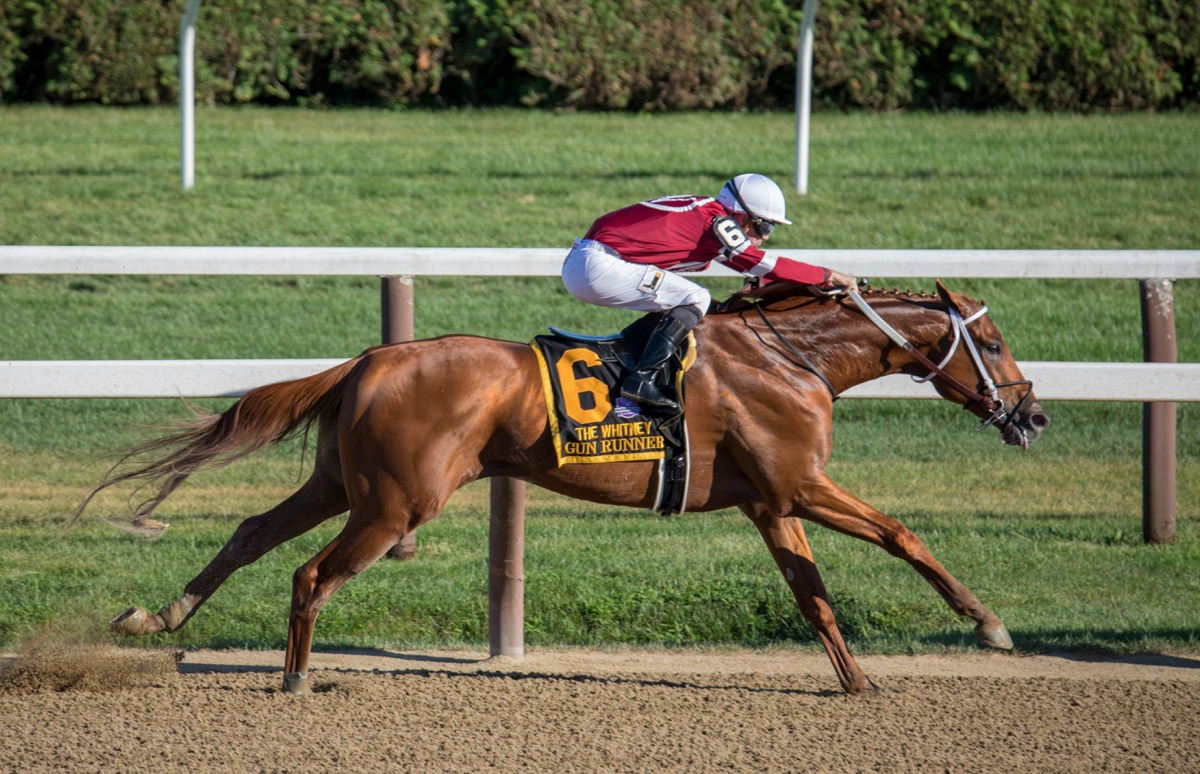
Why Racehorses Die Suddenly: The Genetic Link Between Equine and Human Cardiac Death
New research connects sudden cardiac death in racehorses to genetic mutations found in human athletes
Every year, approximately 500 racehorses die suddenly during a race. Behind each loss is a devastating outcome for the horse, its connections, and the broader racing community. Understanding why apparently healthy, peak-performance athletes collapse without warning has become one of equine cardiology’s most pressing questions.
Dr. Sian Durward-Akhurst, BVMS, MS, PhD, DACVIM (LAIM), is working to answer it.
A Startlingly Common Problem
Cardiac arrhythmias, abnormalities in the electrical activity of the heart that cause it to beat in an irregular pattern, are a leading cause of sudden cardiac death in horses. What surprises many practitioners is just how prevalent they are: **almost 50% of racehorses show some form of arrhythmia during or after exercise.**¹
While not all arrhythmias are immediately dangerous, pathogenic forms such as atrial fibrillation significantly reduce the heart’s ability to function normally. The clinical challenge is distinguishing benign rhythm disturbances from those that carry real risk.
The Genetic Connection
In human athletes, many of the arrhythmias responsible for sudden cardiac death trace back to mutations in genes governing the heart’s electrical activity. Dr. Durward-Akhurst’s research at the University of Minnesota’s Equine Genetics and Genomics Lab has identified similar mutations in racehorses with atrial fibrillation, suggesting a shared genetic mechanism across species.¹
Her team is currently collecting ECGs and DNA from 1,000 racehorses across two breeds to determine whether these mutations correlate with higher arrhythmia risk, altered electrical activity, or sudden cardiac death.
Why This Matters Beyond the Racetrack
What makes this research particularly significant is a remarkable fact: **the horse is the only naturally occurring animal model of human athletic sudden cardiac death.**¹
Every year, over 1,000 young, apparently healthy human athletes die during competitive sport. Identifying who is at risk remains a major clinical challenge. Findings from equine cardiac genetics may directly inform screening and prevention strategies in human sports medicine, making this truly One Health research.
The Goal
The long-term aim is straightforward: identify horses at increased genetic risk of fatal arrhythmias before a catastrophic event occurs. This would allow for targeted monitoring and, when appropriate, retirement from racing before sudden cardiac death can happen.
For equine practitioners, this research points toward a future where genetic screening becomes part of pre-purchase and pre-competition evaluation, much as cardiac screening has evolved in human athletics.
Dr. Sian Durward-Akhurst will present on Equine Cardiology and Genealogy at VetOnIt CE on May 30, 2026. Register for this RACE-approved CE event to explore cardiac diagnostics, arrhythmia identification, and the genetics behind sudden cardiac death in horses.
Tags: Cardiology, Equine, Large Animal, Genetics
References
- Durward-Akhurst SA. Understanding Cardiac Arrhythmias in Racehorses. University of Minnesota CVM Research Infographic. 2020.