
FDA Finalizes GFI #273: Duration Limits Now Official for Veterinary Antimicrobials
BREAKING: FDA published final guidance today (Feb 13, 2026) establishing voluntary duration limits for medically important antimicrobials in food anim...

Articles about Large Animal from VetOnIt CE
BREAKING: FDA published final guidance today (Feb 13, 2026) establishing voluntary duration limits for medically important antimicrobials in food anim...

Researchers at Washington State University's College of Veterinary Medicine discovered that rete ridges, the microscopic structures anchoring skin lay...

USDA APHIS has expanded sterile fly releases along the Texas border. Here's what veterinarians need to know about recognition, reporting, and travel r...
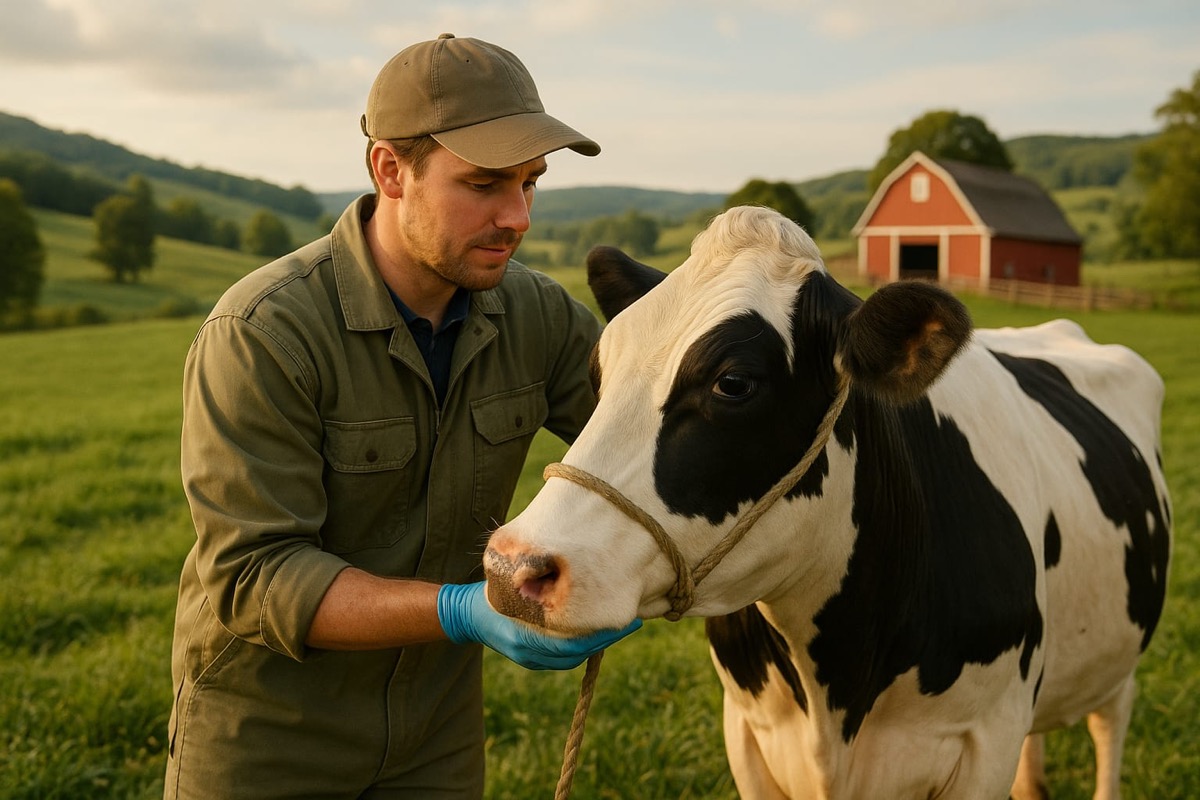
Recent FMD outbreaks in southern Africa serve as a reminder of the importance of vigilance. Here's what U.S. veterinarians need to know about recognit...

Antimicrobial stewardship doesn't require a complete practice overhaul. Dr. Lauren Forsythe provides a month-by-month implementation guide for veterin...

By 2050, antimicrobial resistance is projected to kill 10 million people annually. With 1.27 million deaths already attributable to AMR in 2019, veter...

New research connects sudden cardiac death in racehorses to genetic mutations also found in human athletes, with implications for screening and preven...

When to place an SPL system, placement technique, medication administration protocols, troubleshooting, and long-term management for equine ophthalmic...

Practical techniques for equine ocular examination including nerve blocks, diagnostic tests, tonometry reference ranges, and when to refer.

Identifying equine ocular SCC versus other masses, understanding breed risk factors, and treatment options from cryotherapy to photodynamic therapy.

Recognizing acute and insidious forms of ERU, understanding breed predispositions, and implementing aggressive treatment protocols to preserve equine ...

How to differentiate simple from complicated equine corneal ulcers, manage cases in general practice, and recognize red flags for ophthalmology referr...

Horses have nearly 360-degree vision and sharper acuity than dogs or cats. Understanding equine visual fields, blind spots, and accommodation helps fi...

Money is the third most common stressor for veterinarians, and cost conversations often drive burnout. Practical communication strategies like separat...
Why that Friday afternoon UTI is the perfect test case for antimicrobial stewardship, with ISCAID guidelines and global resistance data.

How errors before the sample reaches the analyzer can mimic serious conditions. Case-based examples with actionable fixes.